
 2 Longport Street, Lewisham, NSW 2049


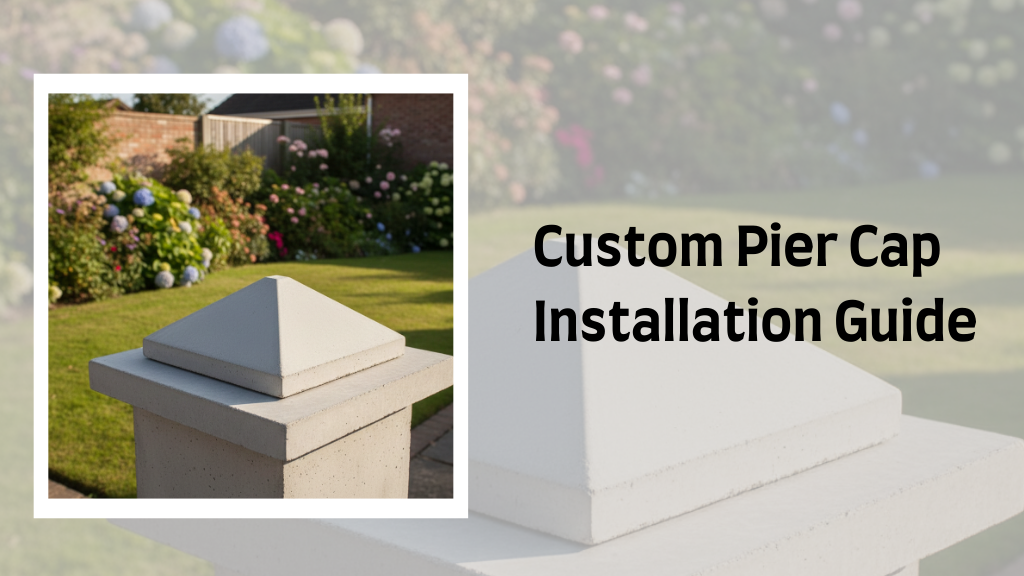
Pier caps might seem like a small detail, but they play a major role in the strength, appearance, and lifespan of pillars and piers. Whether used on boundary walls, fences, entryways, or decorative columns, the right pier cap helps protect the structure underneath while also giving it a finished look.
For homeowners and builders looking at pier caps in Sydney projects, understanding how these elements work and how they should be installed can save time, money, and future repairs. This guide covers everything you need to know about custom pier cap solutions, from materials and styles to installation tips and common mistakes to avoid.
What Are Pier Caps and Why Do They Matter?
A pier cap sits on top of a pillar or pier, acting as both a protective cover and a visual feature. Its main purpose is to shield the pier from water damage by directing rain away from the surface. Without a cap, moisture can seep into the structure, leading to cracking, staining, or long-term weakening.
Beyond protection, pier caps help define the look of a structure. They add balance, symmetry, and a sense of completion to pillars that might otherwise appear unfinished.
Understanding the importance of pier caps is key when planning any fence, gate, or column project. They are not just decorative add-ons but functional components that help extend the life of your build.
Common Materials Used for Pier Caps
Pier caps are available in a range of materials, but concrete remains one of the most popular choices due to its durability and versatility.
Concrete Pier Caps
Concrete pier caps are strong, weather-resistant, and suitable for both modern and classic designs. They can be cast in various shapes and finishes, making them ideal for custom projects.
Stone Pier Caps
Natural stone caps offer a premium look but usually require more maintenance. They can be more expensive and may not suit every budget or setting.
Precast Concrete Options
Many builders prefer precast options because they offer consistent quality and easier installation. Products like Precast Concrete Pillars and matching caps are cast in controlled conditions, which improves strength and finish.
JCV has been supplying precast concrete architectural elements since 1975, offering builders and homeowners reliable solutions that balance appearance and performance.
Popular Styles of Pier Caps
Choosing the right style depends on the design of your property and the look you want to achieve.
Flat Pier Caps
These provide a clean, simple finish and work well with modern designs. They still offer protection but have a more understated appearance.
Pyramid Caps
Pyramid Caps are among the most popular choices for both residential and commercial projects. Their sloped sides help water run off easily while adding a bold, structured look to the pier. They suit fences, gates, and entry columns particularly well.
Custom Shaped Caps
For unique projects, custom pier caps can be designed to match specific dimensions or architectural details. This is especially useful for large pillars or heritage-style builds.
Preparing for Installation
Proper preparation is essential for a successful installation. Rushing this stage often leads to alignment issues or water penetration later on.
Before installing a pier cap, make sure the top of the pier is level, clean, and free of debris. Any uneven surfaces should be corrected so the cap sits flat and secure.
Dry-fitting the cap before applying adhesive is always a good idea. This allows you to check alignment and make adjustments without stress.
Step-by-Step Guide to Installing Pier Caps
Installing pier caps is a straightforward process when done correctly.
- Clean the top of the pier thoroughly and remove dust or loose material.
- Apply a suitable construction adhesive or mortar evenly across the surface.
- Carefully place the pier cap on top, ensuring it is centred.
- Press down gently and check that the cap is level on all sides.
- Remove excess adhesive before it sets.
- Allow adequate curing time before exposing the cap to heavy weather or load.
For larger caps or heavier Precast Concrete Pillars, professional installation is often recommended to ensure safety and precision.
Sealing and Finishing Touches
Sealing pier caps is highly recommended, especially in outdoor environments. A quality sealer helps prevent moisture absorption, staining, and surface wear.
Once sealed, pier caps become easier to clean and maintain. Resealing every couple of years helps preserve both appearance and performance.
Common Mistakes to Avoid
Many issues with pier caps come down to avoidable mistakes.
- Skipping sealing, which allows moisture to penetrate
- Installing caps on uneven surfaces
- Using incorrect adhesives
- Choosing caps that are too small for the pier
- Ignoring drainage and water runoff
Paying attention to these details makes a noticeable difference in how long your pier caps last.
Choosing the Right Supplier
Quality matters when it comes to pier caps. Poorly made caps may crack, chip, or fade over time. Working with an experienced supplier ensures consistent sizing, strong materials, and a better overall finish.
JCV has decades of experience producing architectural concrete products, including pier caps designed to handle Australian conditions. Their range complements pillars, fences, and gate structures with a cohesive look.
Final Thoughts
Custom pier cap solutions offer more than just visual appeal. They protect your structure, improve durability, and add a sense of completion to pillars and piers. Whether you choose flat designs or Pyramid Caps, the right installation and materials make all the difference.
For projects involving pier caps in Sydney, investing in quality precast solutions and proper installation ensures your build stays strong and attractive for years to come. By understanding the purpose, styles, and installation process, you can make confident decisions that enhance both function and design. That’s why you should go with trusted brands like JCV.