
 2 Longport Street, Lewisham, NSW 2049


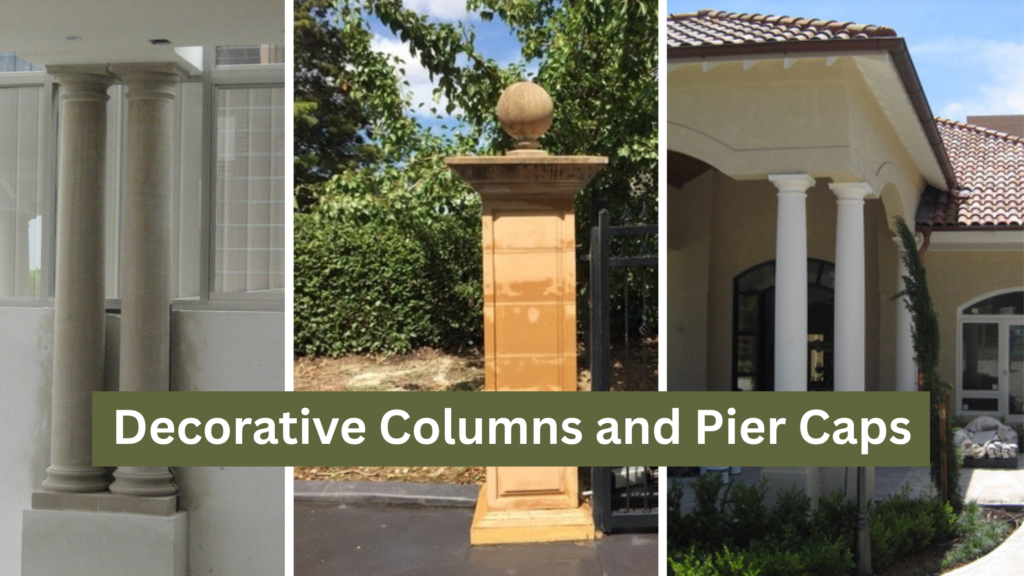
What Are Decorative Columns?
Decorative columns are vertical structures that often frame an entryway, support a pergola, or simply stand as focal points in the garden. They can be made from stone, brick, or precast concrete, depending on the look you want.
Columns have a long history in architecture. They have been used in grand buildings for centuries, but in a garden setting, they bring elegance on a smaller scale. They work well along pathways, at entrances, or even at the base of a driveway. By adding them, you introduce shape and structure that breaks up the flow of open space.
Columns can also provide functional value. Some are used to hold up gates or fencing, while others mark the edges of boundaries. With the right design, they do both jobs at once.
The Role of Pier Caps
Pier caps are the finishing pieces that sit on top of columns or fence piers. Their main role is to protect the column from weather damage. Rainwater can seep into exposed brick or stone, causing cracks or deterioration over time. A pier cap acts like a shield, guiding water away from the column so it stays intact for longer.
But pier caps are not just about protection. They also create a clean, polished look. Without them, a column can seem unfinished. With them, the column has definition and balance. They can be flat, pointed, or shaped with a small slope, depending on your taste. Some even come with decorative touches that give your garden a little more character.
Why Add Columns and Pier Caps to Your Garden?
There are several reasons why homeowners choose these features.
- Visual impact: Columns naturally draw the eye and make an entrance or pathway feel more formal and welcoming.
- Durability: Pier caps extend the life of your columns by keeping them safe from water and harsh weather.
- Value: Well-built garden features can add to the overall appeal of your home, which can be important if you plan to sell in the future.
- Flexibility: Both columns and pier caps can be designed to suit many styles, from traditional to modern.
Material Options to Consider
The look and lifespan of your columns and pier caps depend a lot on the material you choose.
- Brick: Classic and timeless. Works well if your home already uses brick in its walls or pathways.
- Natural Stone: Gives a rustic, organic feel that blends beautifully into garden landscapes.
- Precast Concrete: Strong, reliable, and available in a wide variety of styles. Concrete pier caps, in particular, are popular because they are sturdy and affordable.
When selecting materials, think about how they tie in with your home’s exterior. A seamless connection between house and garden always looks more appealing than a mismatch.
Where to Place Decorative Columns
If you’re thinking of adding columns to your garden, placement matters. Here are a few ideas:
- Driveway entrance: A pair of columns with pier caps can frame your driveway and create a grand entrance.
- Garden path: Place columns along a walkway to give it structure and guide visitors through the space.
- Gate posts: Columns can hold gates securely while making the entryway look solid and inviting.
- Seating areas: Smaller columns can frame a patio or pergola, giving the space a more defined edge.
The key is balance. You don’t want too many columns crowding the space. Instead, think about where they’ll make the most impact.
Design Ideas for Pier Caps
Pier caps are available in different shapes, and choosing the right one can completely change the look of your columns.
- Flat caps: Simple and clean. Great for modern gardens.
- Pyramid caps: A pointed style that adds height and formality.
- Spherical features: Some caps come with ball or orb details, adding a decorative flourish.
- Stepped caps: Layered designs that look elegant in traditional gardens.
The style you choose should complement the overall design of your home. A modern house might look best with sharp, flat caps, while a heritage-style property could benefit from a pyramid or stepped design.
Caring for Columns and Pier Caps
Like any feature in the garden, these structures need some care to stay looking good.
- Keep the surfaces clean by washing them with mild soap and water a few times a year.
- Check for cracks, especially after heavy rain or cold winters. Small cracks can be sealed before they become bigger problems.
- If your columns are made of brick or stone, inspect the mortar joints regularly. Repointing them when needed will keep the structure strong.
Pier caps reduce a lot of the weather damage, but it’s still worth keeping an eye on the condition of the whole column.
Adding a Touch of Personality
Columns and pier caps don’t have to be plain. Many homeowners add lights to the tops of columns or install lantern-style fixtures to create a warm glow at night. You can also use climbing plants around columns for a softer, more natural look. This mix of structure and greenery makes the garden feel both elegant and inviting.
Final Thoughts
Columns and pier caps might seem like small details compared to the rest of your garden, but they make a huge difference in how the space looks and feels. Columns bring height and structure, while pier caps protect and complete the design. Together, they give your garden that extra touch of polish and charm.
Whether you go for brick, stone, or concrete pier caps, these features can transform a simple garden into a space that feels thought out and beautifully finished. If you are planning to upgrade your outdoor space, columns and pier caps are well worth considering.
